FILMMAKING
I Was a Skeptic. Here Is What Changed My Mind.
I look at Noah’s Ark and think of the lions. Here is the trail of small things, from a bankruptcy request to a neuroscientist, that opened a skeptic.
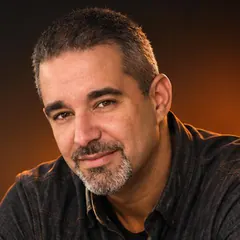
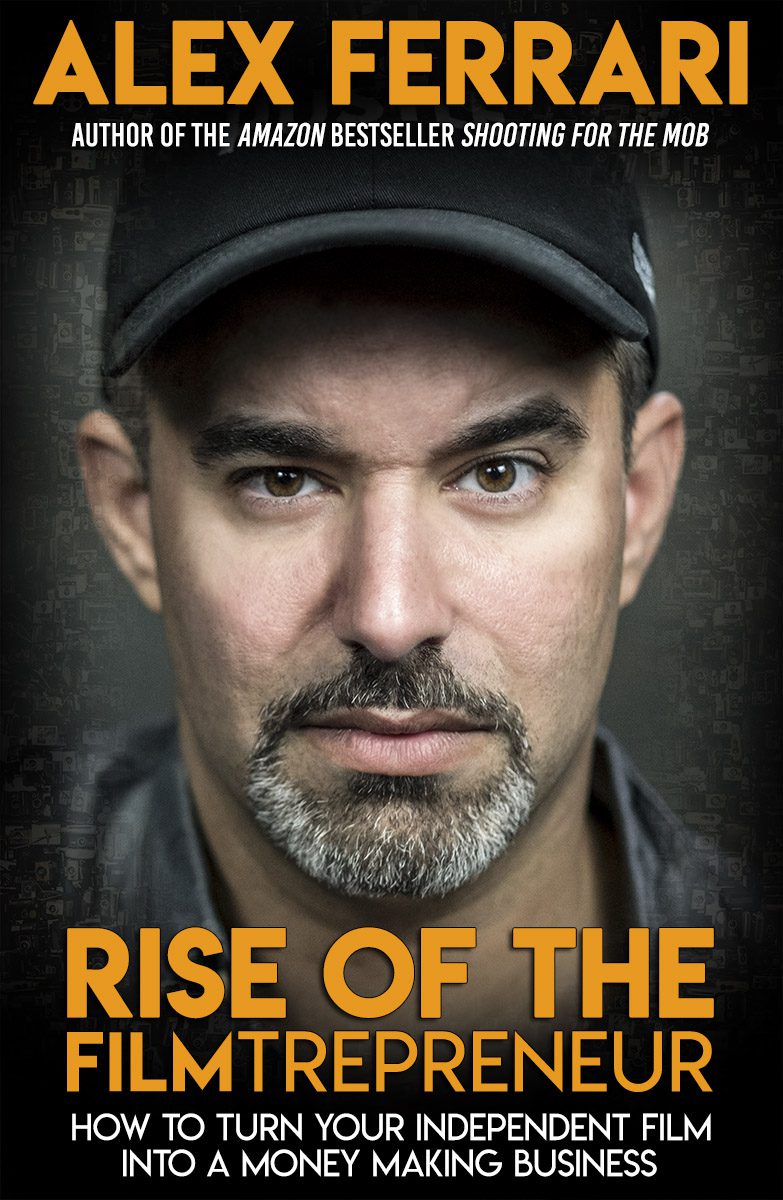
By Alex Ferrari

THE SHORT ANSWER
I am skeptical with humor and open at the core. I like evidence, and I am willing to look at what I cannot explain. The Skeptic’s Trail is three pieces of evidence, in order, with the doubt still attached.
KEY TAKEAWAYS
- Keep the doubt. It is a tool, not an enemy.
- Run small experiments: ask, take a step, and write down what happens.
- Follow people who looked at the evidence, and say “I don’t know” when you do not.
I am the guy who looks at Noah’s Ark and says, “The story’s cute, but the lions would have eaten everybody.” I like evidence. I like receipts.
So when people ask how a filmmaker who spent thirty years in the business ended up hosting conversations about the soul, I get it. The question has teeth. I owe you an honest answer, and the honest answer is a trail of small things, not one lightning bolt.
The Skeptic’s Trail
I call it the Skeptic’s Trail: three pieces of evidence I can point to in my own books, in order, with the doubt still attached.
Marker 1: A test I could not explain away
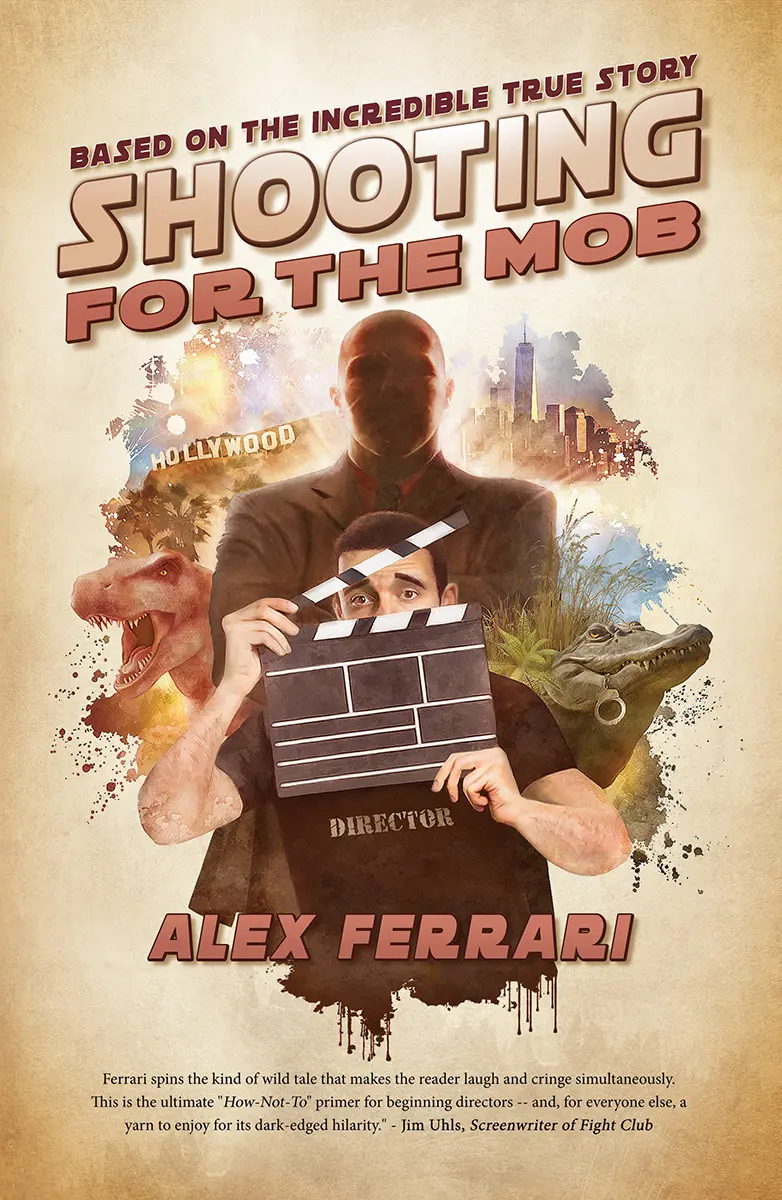
In the preface to Shooting for the Mob I wrote that when you chase a dream, you will be tested in ways you cannot comprehend now. That is the universe testing you to see if you really want it. A skeptic can read that and say, “Sure, life is hard.” Fair.
Marker 2: A request and a phone call
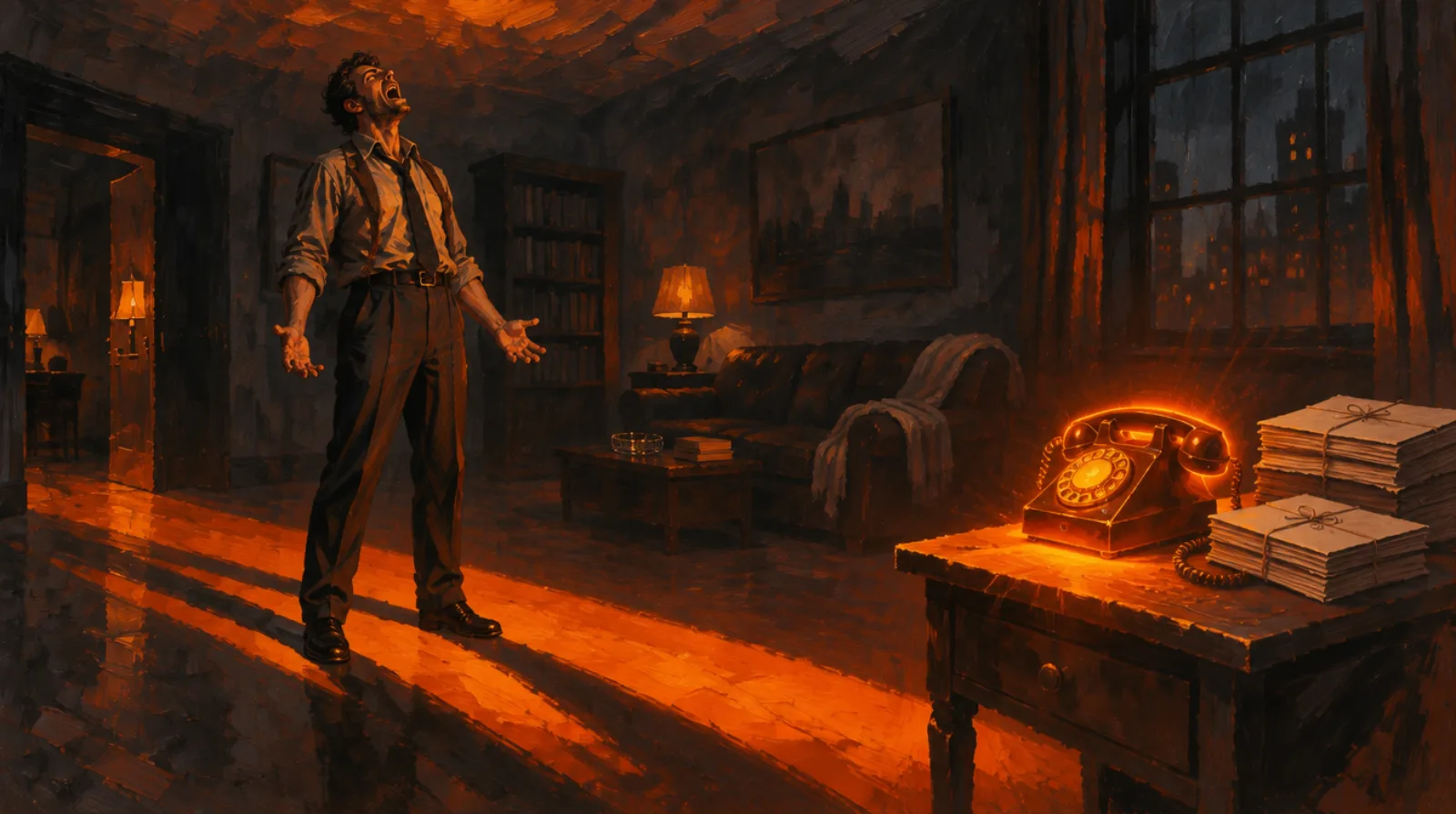
A few days before I was going to sign bankruptcy papers, I yelled at the universe in my living room and asked for help. The next morning an old boss called with a job. A skeptic says coincidence, and I do not argue with that. I wrote down both the request and the call, and I told the story in what making films taught me about trusting the universe.
My honest position on that is: I do not know. And I notice that I took the job, and that it changed my life.
Marker 3: People who changed their own minds
This is where my job as a host helps. On the Next Level Soul podcast I get to sit across from people who changed their own minds. Dr. Marjorie Woollacott, a neuroscientist, had a meditative awakening around age 30. About twenty years later she looked into the research on spiritual experience. A search for “near-death experience” turned up a large body of published studies she had never read. Her work explores whether the brain filters consciousness rather than produces it. I am not asking you to agree. I am telling you the way she got there: she looked at the evidence.
Listen to Dr. Eben Alexander, a neurosurgeon, describe the near-death experience that changed his view of consciousness. Or Betty Guadagno, an atheist near-death experiencer, share what she says happened. I am still a skeptic. But I am a skeptic who cannot pretend those conversations did not happen.
“I am still a skeptic. But I am a skeptic who cannot pretend those conversations did not happen.”
How to doubt well
- Keep the doubt. Doubt is a tool, not an enemy. Nobody here has to throw out their brain.
- Run small experiments. Ask for something, take a step, and write down what happens. See for yourself.
- Follow people who looked. Listen to those who changed their minds on evidence, not those who are selling certainty.
- Say “I don’t know.” It is the most honest sentence in spirituality, and it is rarer than it should be.
Lesson and next step
Stay curious, my friend, and keep the doubt. Read why I created Next Level Soul and what it means that the power lives within you, and try asking, then answering the phone. The story that started the trail is in Shooting for the Mob.
QUESTIONS PEOPLE ASK
Quick answers, no fluff.
Can you be spiritual and a skeptic?
Yes. I am skeptical with humor and open at the core. I like evidence, and I am willing to look at what I cannot explain.
What made you open to spirituality?
A trail of small things in my own life, from the universe testing me in the Jimmy years to a phone call that followed a request, plus years of conversations with people who changed their own minds.
Where should a skeptic start?
Start with an experiment you can check, then listen to someone like Dr. Marjorie Woollacott, who came to the question through research.
What is the Skeptic’s Trail?
It is my name for three pieces of evidence I can point to in my own books, in order, with the doubt still attached: a test I could not explain away, a request and a phone call, and people who changed their own minds.
Do you know why the phone rang the morning after you asked for help?
No. A skeptic says coincidence, and I do not argue with that. My honest position is that I do not know. I notice that I took the job, and that it changed my life.
Who is Dr. Marjorie Woollacott?
A neuroscientist who appeared on the Next Level Soul podcast. She had a meditative awakening around age 30 and, about twenty years later, looked into the research on spiritual experience. A search for near-death experience turned up a large body of published studies she had never read. Her work explores whether the brain filters consciousness rather than produces it. I am not asking you to agree. I am telling you how she got there: she looked at the evidence.
How do you doubt well?
Keep the doubt, because doubt is a tool, not an enemy. Run small experiments: ask for something, take a step, and write down what happens. Follow people who looked at the evidence and changed their minds, not those who are selling certainty. And say I do not know, which is the most honest sentence in spirituality.
Which guests on the Next Level Soul podcast changed their own minds?
Dr. Marjorie Woollacott, a neuroscientist, came to the question through research. Dr. Eben Alexander, a neurosurgeon, describes the near-death experience that changed his view of consciousness. Betty Guadagno, an atheist near-death experiencer, shares what she says happened. These are their accounts, presented as what the guests say, not as proven claims. To see why I started the show, read why I created Next Level Soul.